Finding Your Breath: Pranayama for Absolute Beginners
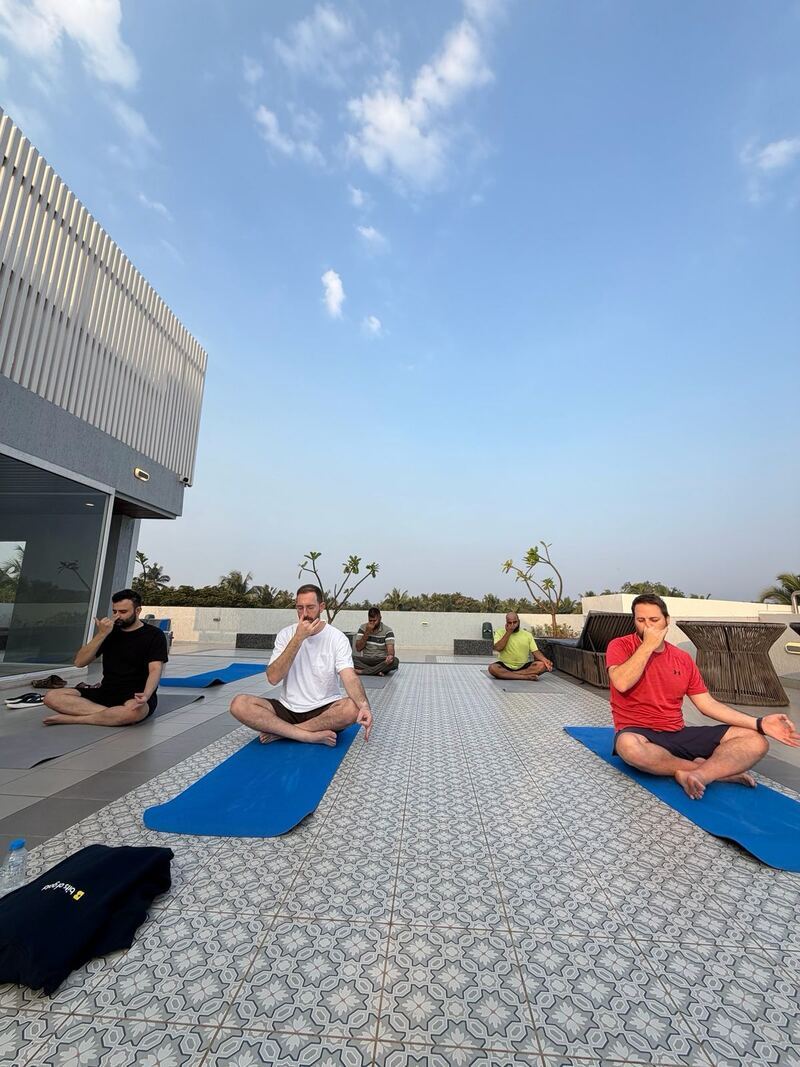
Every new student who walks into my class expects me to start with a pose. Instead, I ask them to sit down and notice one inhale. Most people can't — not because it is difficult, but because nobody has ever asked them to.
Pranayama simply means the regulation of breath — prana is the vital energy, ayama is its extension. Before yoga becomes movement, it is breath. In ten years of competing and teaching, this has been the one practice I return to every single day, whether I'm preparing for a championship or calming a room full of school children.
The breath is the only function of the body that is both completely automatic and completely yours to direct. That doorway is where yoga begins.
Why the breath comes before the pose
When you are stressed, your breath turns shallow and quick, and your body reads that as confirmation of danger. Slow the breath down and the message reverses: the nervous system settles, the heart rate drops, the mind follows. This is not mysticism — it is physiology that yogis mapped centuries before laboratories confirmed it. In my MSc coursework in yoga therapy at S-VYASA, the most studied interventions are breathing practices, precisely because they are safe, simple and measurable.
Three practices to start today
- Simple observation (2 minutes). Sit comfortably, close your eyes, and count ten natural breaths without changing them. When you lose count — and you will — begin again. This is the whole practice.
- Extended exhale (3 minutes). Inhale for a count of four, exhale for a count of six. The longer exhale gently activates the body's rest response. If six feels strained, use five. Ease matters more than numbers.
- Nadi Shodhana — alternate-nostril breathing (5 minutes). Close the right nostril with your thumb, inhale left; close the left with your ring finger, exhale right. Inhale right, exhale left. That is one round. Move slowly, without force, for ten rounds.
What to expect
Nothing dramatic — and that is the point. After a week of daily practice, students usually tell me they are sleeping better. After a month, they notice they pause before reacting to things that used to spike them. The breath works quietly, the way water shapes stone.
Start with two minutes a day. Attach it to something you already do — after brushing your teeth, before opening your phone in the morning. Consistency beats duration every time.