Yoga for Desk Bodies: Undoing the Damage of Sitting
In my corporate wellness sessions, I meet the same body again and again: rounded shoulders, a stiff lower back, a neck that creeps forward toward a screen, hips that have forgotten how to open. Nobody injured themselves. They just sat — eight hours a day, for years.
The good news is that a desk body is remarkably quick to respond. The spine wants to move; it has simply been waiting for an invitation. These are the five practices I return to most in posture and back-care programmes, and none of them require you to be flexible, athletic or dressed for exercise.
The five-practice reset
- Cat–Cow (2 minutes). On hands and knees, arch and round the spine with the breath — inhale to lift the chest, exhale to round. This is the single best general lubricant for a stiff spine. Move slowly; let the breath set the pace.
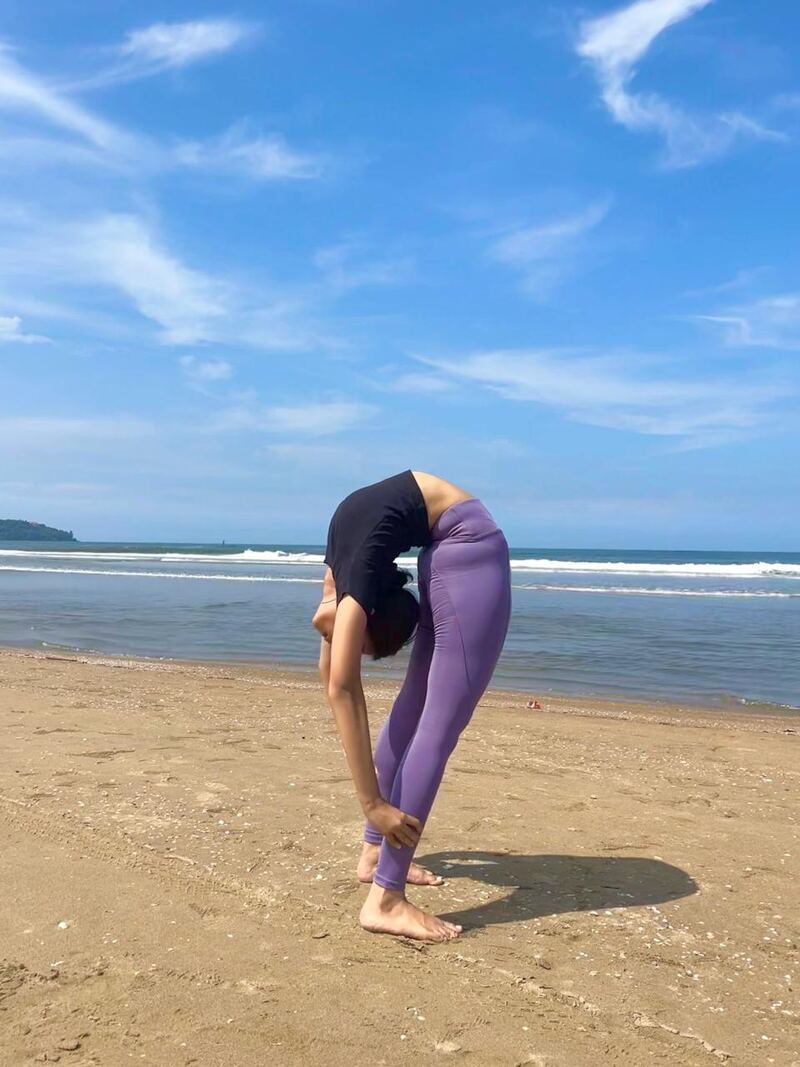
- Standing forward fold, bent knees (1 minute). Fold from the hips with knees generously bent and hold opposite elbows. Let the head hang completely. The point is not to touch the floor — it is to let gravity decompress the lower back and neck.
- Low lunge (1 minute per side). Sitting shortens the hip flexors, and short hip flexors quietly pull the lower back into strain. A supported low lunge — back knee on a cushion — reverses this pattern gently.
- Chest opening at a wall (1 minute per side). Place a forearm on the wall, elbow at shoulder height, and turn the body away until you feel the chest stretch. This undoes the keyboard hunch better than pulling the shoulders back ever will.
- Legs up the wall (5 minutes). Lie on your back with legs resting up a wall. Breathe slowly. This is a restorative inversion that calms the nervous system and relieves tired legs and back — the perfect end to a work day.
Your spine doesn't need an hour of heroics. It needs ten honest minutes, every day, at the times it suffers most.
When to do it
Split it if that's easier: Cat–Cow and the lunge in the morning, the wall stretch at lunch, legs up the wall in the evening. Set a movement alarm every 45 minutes at your desk — even thirty seconds of standing and rolling the shoulders interrupts the pattern your body is memorising.
When pain needs more than a routine
Persistent pain, numbness or tingling into the arms or legs deserves individual attention, not a generic sequence. That is exactly what therapeutic yoga is for — adapting practice to a specific body and history. It is the discipline I am training in at S-VYASA, and the work I find most meaningful.